2026 Impact Report: One month. A world of difference.
What can happen when tens of thousands of people change what’s on their plate for just one month?
Quite a lot, as it turns out.
In May 2026, 73,839 people across more than 50 countries took on the No Meat May challenge — cooking differently, eating more plants and discovering just how delicious change can be.
And the really exciting bit? The impact didn’t end when May did.
Our latest participant survey shows people are still eating significantly less meat, loading their plates with more high-fibre plant foods, and inspiring friends and family to make changes too.
Add all those individual choices together and the numbers get pretty extraordinary — for our health, animals and the planet.
Here’s what we achieved together.
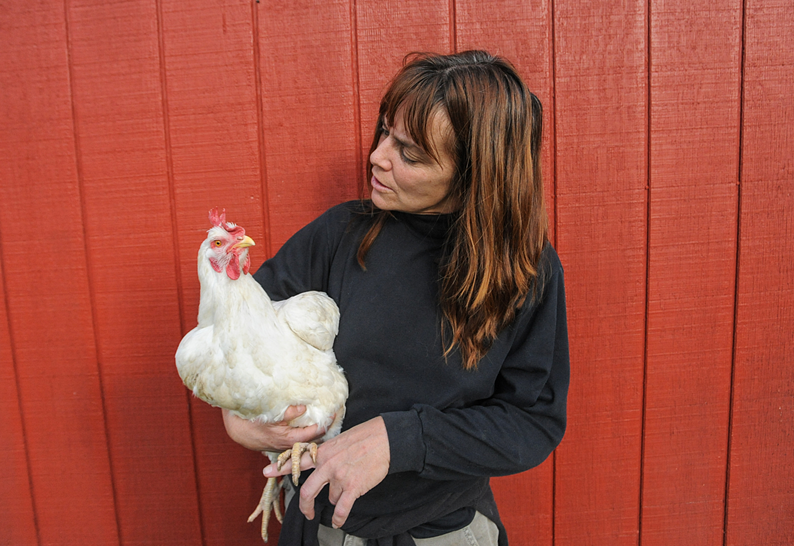
73,839 people. 50+ countries. One epic month.
Joining a growing global community of more than 413,000 people who’ve taken part since 2013.
And on average, each one inspired one more friend or family member to ditch meat in May and opt for high-fibre sustainable plant proteins.
That's more than 800,000 people showing that change is not only possible—it’s delicious.
The changes are sticking
90% report cutting down or cutting out meat and animal products after completing the challenge. 14% eliminated all meat.
Survey results show a collective:
64% reduction in red & processed meat consumption
55% reduction in chicken meat
With 21% of participants eliminating red and processed meats, and 25% eliminating chicken meat ongoing.
Less meat. More of the good stuff.
After taking part in No Meat May people are eating healthier, and reducing their risk of many chronic diseases by replacing meat with more high-fibre foods. Survey results show a collective:
38% increase in consumption of high-fibre fruit & vegetables
60% increase in heart-healthy pulses and legumes
38% increase in nutrient-rich nuts and seeds

Greenhouse gas reductions:
an estimated saving of 44,303 tonnes of CO₂ equivalent gases each year, or 1.772 Million tonnes over 40 years.

Crops freed up:
31,382 tonnes of crops per year no longer needed as animal feed, equalling 1.255 million tonnes over 40 years: freeing up more land and calories to feed people.
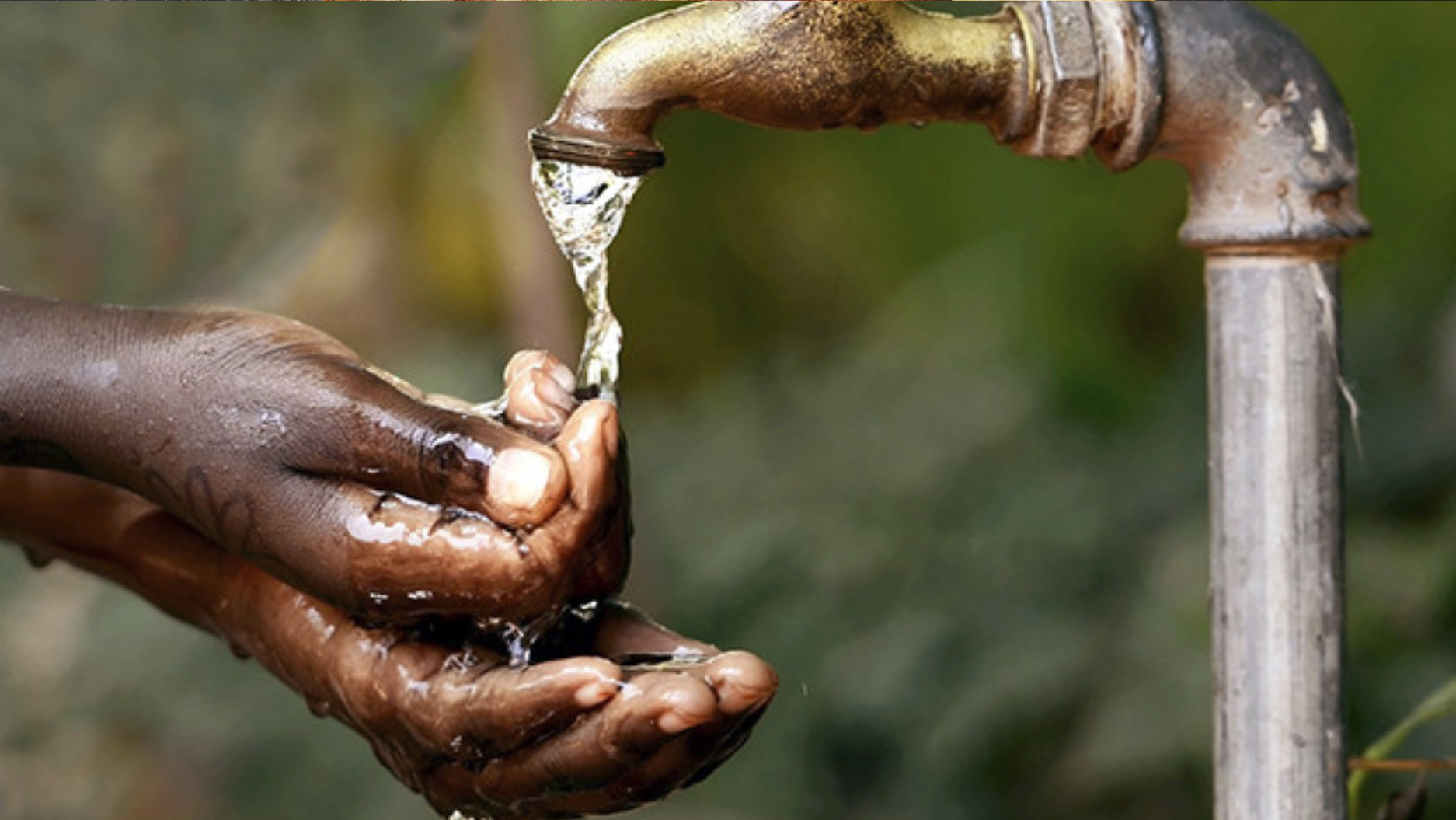
Water savings:
about 20.2 billion litres/year, summing to 808 billion litres saved over 40 years.
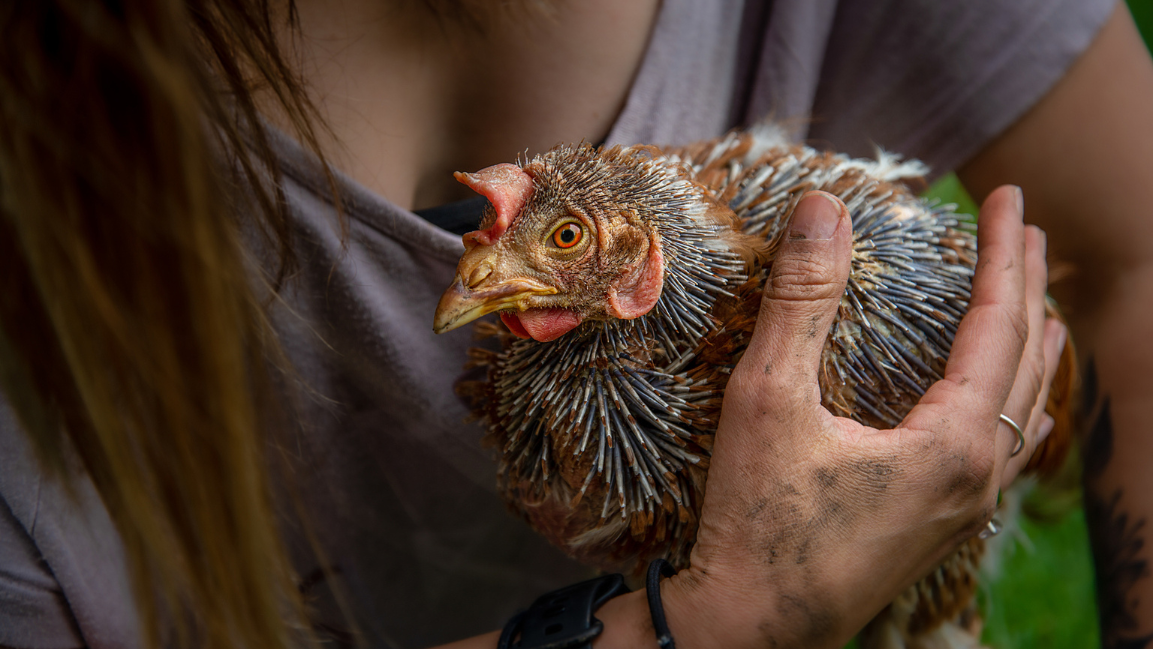
Animals spared:
2,297,161 animals spared in May alone (land & sea, including bycatch/feed fish).
Over 40 years, the reported long-term behaviour changes add up to hundreds of millions of sea animals and tens of millions of land animals spared.

Why people joined
There are so many reasons to shift toward plant-rich eating. We asked our participants to tell us all of the reasons why they signed up.
Health topped the list - 3 in 4 (75%) joined to lower their risk of chronic diseases.
Close behind are animals and the planet: about 66.7% want to help end factory farming and 64.5% want to live more sustainably.
Crucially, this isn’t just a one-month experiment: 59.0% say their goal is to reduce or eliminate meat ongoing.
And the food itself is a major drawcard - our recipes, cookbooks and meal plans inspired 54.9% to sign up.
A second cluster of motivations rounds out the picture: people want to shrink their footprint (53.0%) and get more creative in the kitchen (52.4%), with sizeable concern for deforestation/species loss (47.4%), food security (41.8%), and overfishing (40.6%).
Personal agency matters too - 35.6% joined because they believe they can make a difference, while public-health concerns (e.g., bird flu) motivate 30.9%. Saving money is a nice bonus (27.7%), and the Facebook community helps (20%). There are so many reasons to No Meat May, but the core appeal is clear: health first, ethics and climate close behind—made doable by great food and practical resources.
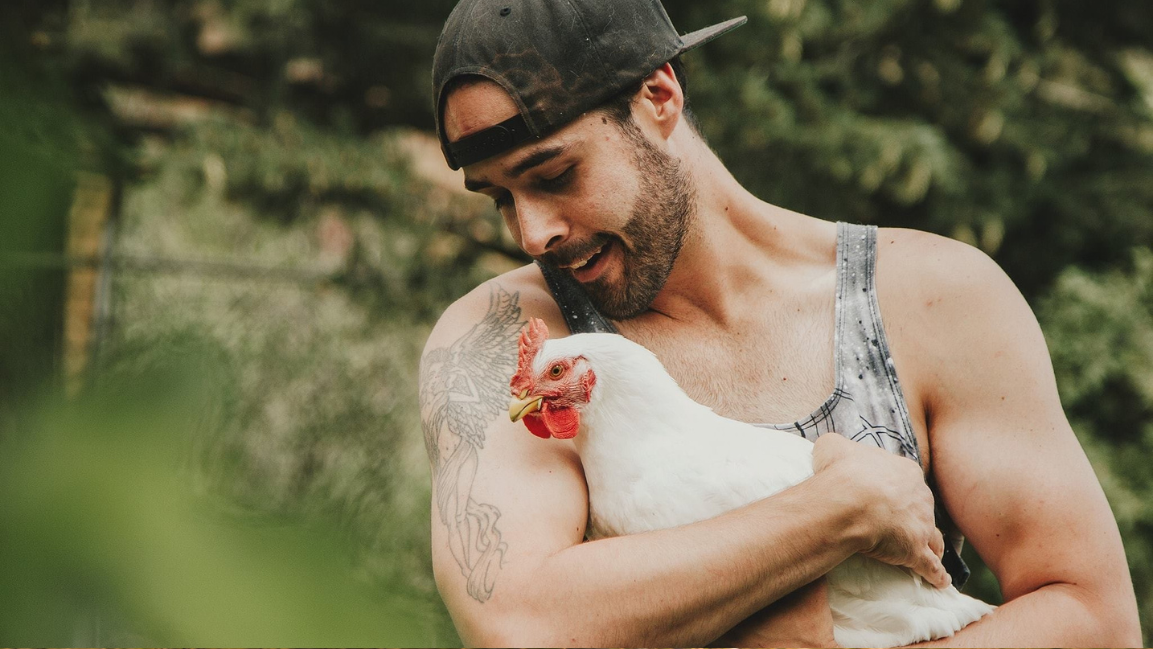
At the heart of it all, No Meat May shows that when thousands of people take small steps together, the results are extraordinary — for our health, for animals, and for the planet we share. Every meal is a chance to make a difference, and the ripple effect of one month continues long after May ends.
Thank you to everyone who joined us in 2026 - we can’t wait to grow this powerful wave of change even further in 2027.
Try out our Impact Calculator, to see what difference you can make over time.
https://www.nomeatmay.org/about/impact
Read on to understand the maths behind the numbers.

Behind the numbers (some maths for us pointy heads)
We compared participants’ self-reported eating in April 2026 (pre-challenge) with August 2026 (15 weeks post-challenge) to estimate longer-term behaviour change. Headline figures shared above are based on the 73,839 registered participants...
the thousands of friends and family who joined the challenge without registering are not counted in these impact estimates.
Climate impact:
- Baseline: The average participant’s food-related footprint was taken as on average 2.5 tonnes of CO₂ equivalent gases per year.
- After No Meat May: average reductions in food-related emissions equate to approx. 0.6 t CO₂ equivalent gases per year per person.
- Multiply average reduction by 73,839 participants → approximately 44,303 tonnes of CO₂ equivalent gases saved per year; assume average change sustained over the next 40 years → approximately 1.772 Million tonnes of CO₂ equivalent gases.
these figures include production emissions from food; they exclude additional drawdown potential from rewilding/land-use change if less land is used for livestock.
Water savings:
-
Baseline: What we eat and drink makes up about half of our water footprint; and a healthy plant-rich diet typically uses about half the freshwater of a meat-heavy diet.
- After No Meat May: the average participant reports changes in their eating habits equivalent to an approximate 25% reduction in their freshwater use for food. (25% x 3,000 litres/day x 73,839 participants).
-
Totals: 25% × 3,000 litres/day × 73,839 people ≈ 20.2 billion litres/year; over 40 years → approximately 808.5 billion litres of water saved.
Crops saved:
- Why this matters: animal-based foods require significantly more resources than most plant-based foods - more land, more water, more feed inputs. (e.g., soy); almost 80% of global soy is fed to livestock to produce farmed meat.
- The animal feed required to produce meat ranges from 4.5 kg of feed to produce 1 kg of chicken meat to up to 25 kg of feed to produce 1kg beef.
- Observed change: participants’ reductions in animal products equate to approximately 50% less animal feed required per person — about 425 kg of crop feed saved per year each.
- Totals: 31,382 tonnes of crops/year; over the next 40 years → approximately 1.255 million tonnes of crops saved.
Animals spared:
- Baselines: average animals consumed per person per year (e.g., 23.7 chickens, 0.7 turkeys, 0.4 pigs, 0.1 cows, 0.1 ducks, 341 sea animals, bycatch animals, sea animals used as feed etc.).
- May 2026 alone: multiply average animals consumed per month by 73,839 participants - 2,297,161 animals spared.
- Apply 2026 behaviour changes (e.g., 54.6% less chicken, 64% less red meat, 26% less sea animals). Multiply by 73,839 participants × 40 years to get lifetime-style totals by species. “Feed fish” are included based on an average 50% reduction in feed ratios per average consumer.
- If 2026 behaviour change on average holds for 40 years:
- Chickens: 38,219,657
- Pigs: 756,111
- Cows: 189,028
- Turkeys: 1,128,850
- Ducks: 645,057
- Sea animals eaten: 128,890,404
- Bycatch animals: 39,264,626
- Sea animals used as feed: 212,656,320
Caveats: These are good-faith estimates from self-reported data, rounded for readability. They’re conservative because (a) we exclude unregistered family/friends who joined in, and (b) climate figures omit potential land-use change benefits from rewilding.
References
The Carbon Foodprint of 5 Diets Compared - Shrink That Footprint
What are the carbon opportunity costs of our food? - Our World in Data
The Water Footprint of Diets: A Global Systematic Review and Meta-analysis - ScienceDirect
Feed-to-Meat - Conversion Inefficiency Ratios - A Well-Fed World