10 easy plant-based swaps anyone can make
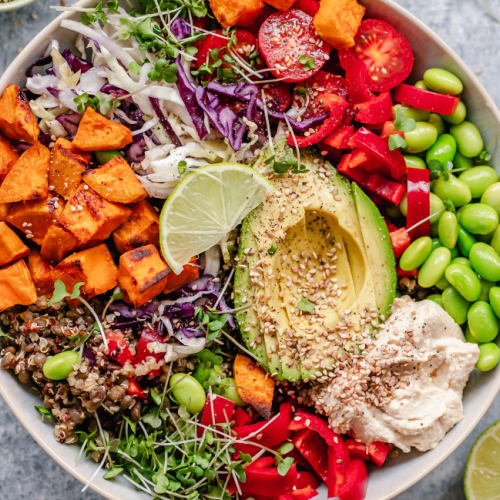
Eating plant-rich doesn’t have to mean completely reinventing the way you eat.
In fact, some of the easiest changes are exactly that: swaps. Keep the meals you already know and love, switch out one or two ingredients, and suddenly you’re eating more plant-protein without having to learn 47 new recipes or track down something obscure at the health food shop.
Better still, plenty of these simple swaps come with a nutritional upgrade too. Think more fibre, more antioxidants, healthy fats and a whole lot of variety for your gut microbes.
Here are 10 easy swaps you can start making today.

1. Swap mince for lentils
Lentils are one of the easiest ways to turn a familiar dinner plant-based. They soak up flavour beautifully, have a satisfyingly hearty texture and work particularly well anywhere you’d normally use mince.
Why it’s a win: Lentils provide protein, iron and folate, plus something you won’t find in meat… fibre. Fibre helps support digestive health and feeds the beneficial bacteria living in your gut. And we could all do with a lot more of it.
Try it in: Bolognese, chilli, tacos, shepherd’s pie and curries.
Make it easy: You don’t even need to soak them. Keep a couple of tins of lentils in the cupboard for instant weeknight dinners.
2. Swap beef burgers for bean burgers
Black beans, kidney beans, chickpeas and lentils can all form the base of a seriously good burger. And no, your barbecue does not need to become a sad place just because vegetables have arrived.
Why it’s a win: Beans give you plant protein alongside fibre, folate, iron, potassium and a range of beneficial plant compounds. Regularly eating legumes is also associated with better heart health.
Try it in: Burgers, wraps, burger bowls, and even tacos.
Make it easy: Short on time? There are plenty of ready-made plant-based patties available, or mash beans with herbs, spices and breadcrumbs to make your own.

3. Swap chicken for tofu
Tofu has an unfair reputation for being boring. The secret? Treat it like you would any other protein and season it. Marinate it, crumb it, grill it, bake it, air-fry it or coat it in your favourite sauce.
Why it’s a win: Tofu is a fantastic source of high-quality plant protein, and soy contains all nine essential amino acids. Depending on how it's made, tofu can also be a valuable source of calcium, along with nutrients including iron, magnesium and selenium.
Try it in: Stir-fries, curries, noodle dishes, wraps, salads and tray bakes.
Make it easy: Extra-firm tofu is a great starting point if you’re new to it. Press out excess moisture, cube it, toss with your favourite seasoning and bake or air-fry until golden. A little cornstarch also goes a long way to make the crispiest tofu!
4. Swap dairy milk for fortified plant milk
This might be one of the easiest swaps on the entire list. Soy, oat, almond, pea... the plant milk aisle has become quite the party.
Why it’s a win: Plant milks can provide many of the nutrients you’re used to getting from dairy, but fortification matters. Look for varieties containing calcium and ideally vitamin B12. If protein is a priority, soy milk is hard to beat.
Try it in: Coffee, cereal, smoothies, porridge, baking and sauces.
Make it easy: Try a few. The best plant milk is ultimately the one you actually enjoy drinking.
5. Swap dairy yoghurt for soy yoghurt
Plant-based yoghurt has come a long way, and soy yoghurt makes an especially handy everyday swap.
Why it’s a win: Soy naturally provides high-quality protein, while fortified varieties can also contribute calcium and vitamin B12. Add fruit, nuts and seeds and you’ve got yourself a fibre-filled breakfast or snack too.
Try it with: Granola, fruit, overnight oats, smoothies or savoury dressings.
Make it easy: Check the nutrition label and choose one fortified with calcium where possible. Unsweetened versions are great if you want to keep added sugars lower.

6. Swap cheese for hummus
We know. Cheese is often the one people tell us they could never give up. But why not try swapping ocassionally for a generous smear of hummus. It’s an incredibly easy way to add more plants, fibre and flavour to your plate.
Why it’s a win: Made primarily from chickpeas and tahini, hummus provides fibre, plant protein and unsaturated fats, along with nutrients including iron and folate.
Try it in: Sandwiches, wraps, toasties, crackers, bowls and salads.
Make it easy: Keep a tub in the fridge and use it anywhere you want something creamy and savoury.
7. Swap mayo for avocado
Mashed avocado gives you that creamy richness you’re looking for, with a little nutritional bonus thrown in.
Why it’s a win: Avocados are rich in heart-friendly unsaturated fats and also provide fibre, potassium, folate and a range of vitamins and plant compounds.
Try it on: Sandwiches, burgers, wraps, toast and baked potatoes.
Make it easy: Mash avocado with lemon or lime juice, salt and pepper. Add chilli flakes if you're feeling spicy.
8. Swap eggs in baking for chia or flax
You absolutely can bake without eggs. A simple “flax egg” works surprisingly well in recipes where egg is being used mainly as a binder.
Mix 1 tablespoon of ground flaxseed with around 3 tablespoons of water, leave it for 5–10 minutes to thicken, then use it in place of one egg.
Why it’s a win: Flax and chia seeds provide fibre and alpha-linolenic acid (ALA), an essential plant-based omega-3 fatty acid. They’re an easy way to sneak a little extra nutrition into something you were going to eat anyway.
Try it in: Muffins, pancakes, cookies and cakes.
Make it easy: Ground flaxseed keeps beautifully in the fridge or freezer, ready for your next baking emergency.
9. Swap creamy dairy sauces for cashew or blended-bean sauces
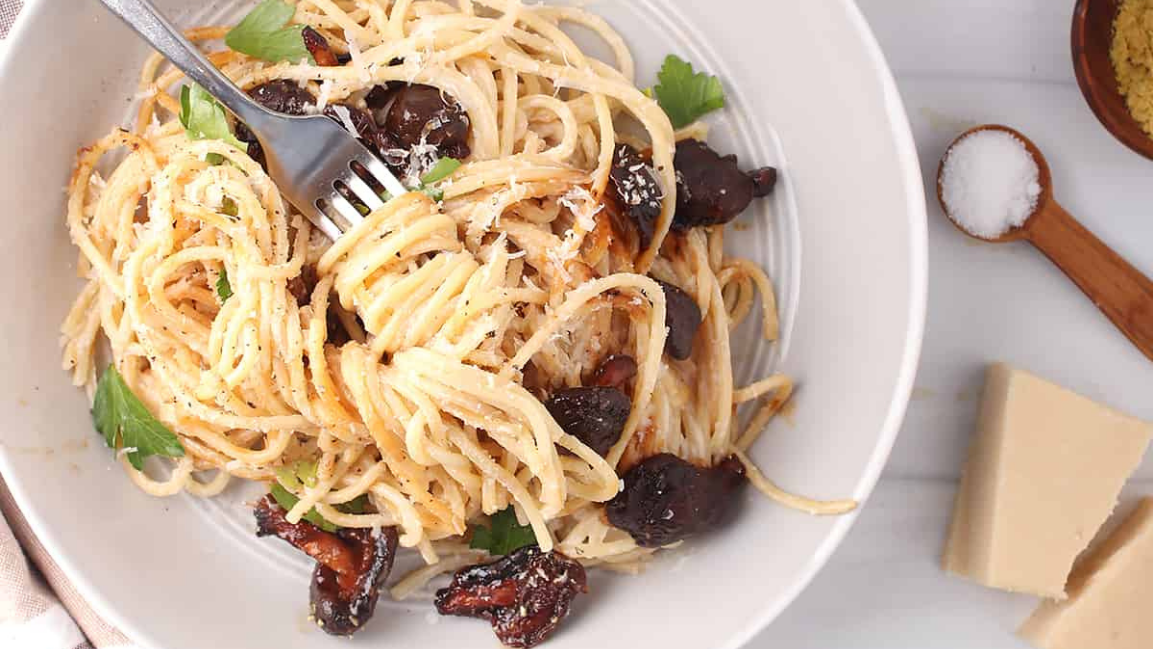
Creaminess does not belong exclusively to cows.
Soaked cashews blend into beautifully rich sauces, while cannellini beans or butter beans make an incredibly easy, budget-friendly base for creamy pasta sauces and soups.
Why it’s a win: Cashews provide unsaturated fats, protein and minerals including magnesium and copper. Beans bring protein and plenty of fibre, making them particularly useful for turning a creamy sauce into something surprisingly substantial.
Try it in: Pasta, lasagne, creamy soups, gratins and dressings.
Make it easy: Blend white beans with lemon, garlic, nutritional yeast and a splash of plant milk or pasta water. Creamy pasta sauce, done.
10. Swap meat for mushrooms
Not every plant-based swap has to perfectly imitate meat. Sometimes the humble mushroom is exactly what you need.
Finely chopped mushrooms bring rich, savoury umami flavour and a satisfyingly meaty texture to dishes traditionally built around meat.
Why it’s a win: Mushrooms are low in saturated fat and provide fibre, B vitamins and minerals such as selenium and copper. They’re also another plant to add to your weekly tally, helping you build more diversity into your diet – we wanna hit that 30 plants a week goal for ultimate gut health.
One thing to remember: mushrooms are brilliant for replacing the texture of meat, but they’re not a particularly high-protein substitute. So pair them with protein-rich plants like lentils, beans, tofu or textured vegetable protein (TVP) to make a more satisfying, nutritionally balanced meal.
Try it in: Bolognese, tacos, pies, burgers, stir-fries and pasta. Combine mushrooms with lentils or TVP in mince-style dishes, or tofu or beans in creamy pasta sauces.
Make it easy: Finely chop mushrooms and cook them until deeply browned to really bring out their savoury flavour. For beginners, you can even start by replacing just half the mince in a recipe before working your way towards a fully plant-based version. Experiment with different mushrooms for different textures.
Small swaps add up
Eating plant-rich doesn’t need to be all or nothing. You don’t need to empty your fridge, throw out your favourite cookbook and announce that lentils are your entire personality now.
Start with one meal. One ingredient. One easy swap.
Maybe it’s soy milk in tomorrow morning’s coffee, lentils in your next Bolognese or crispy tofu instead of chicken in Friday night’s stir-fry.
Each swap is an opportunity to add more fibre, whole plant foods and variety to your plate. And over time, those little changes can add up to a much bigger shift for your health, animals and the planet.
The goal isn’t perfection. It’s progress.
So, which swap are you trying first?