

How to prep your pantry for No Meat May
One of the best things you can do to prepare for No Meat May is set yourself up for success.
That doesn't mean buying dozens of unfamiliar ingredients or completely overhauling your pantry overnight. In fact, many people are surprised to discover that a lot of what they already eat is plant-based.
Preparing your pantry simply means making sure you have versatile, nourishing foods on hand so that plant-based meals become the easy option when hunger strikes.
With a few simple strategies, you'll make cooking in May cheaper, easier, healthier and more sustainable.

Why prepping your pantry matters
The biggest challenge people face when trying plant-based eating isn't flavour; it's convenience.
When the fridge is empty or dinner time sneaks up quickly, it's easy to fall back on old habits. A well-stocked pantry removes that friction by giving you simple building blocks for meals in minutes.
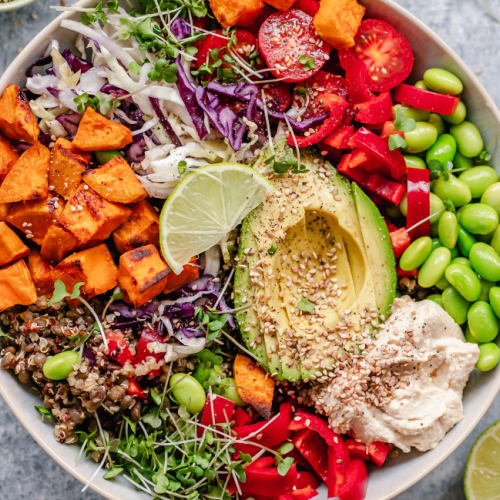
Many of the most satisfying plant-based meals are built from just a few ingredients:
-
a whole grain
-
a plant protein
-
mighty vegetables
-
herbs, spices or sauces for flavour
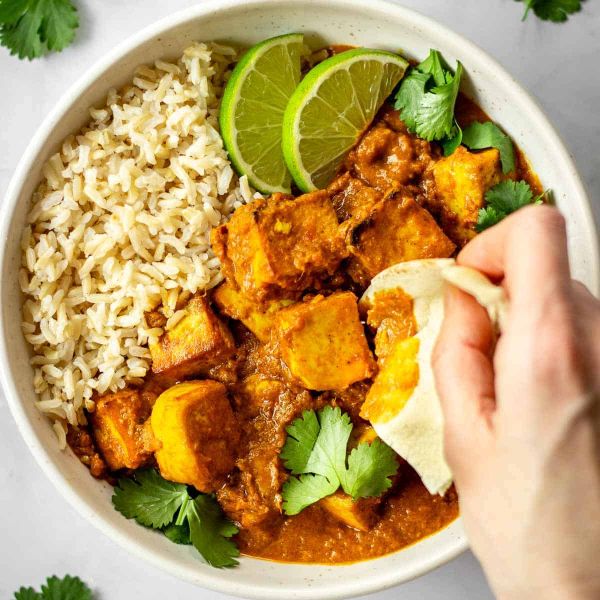
Think beans and rice, lentil pasta, stir-fried noodles with tofu, or a quick chickpea curry. When these staples are already in your kitchen, eating plant-based becomes less about planning and more about assembling meals from foods you already have.
Focus on whole, plant-based staples
One of the healthiest ways to approach plant-based eating is to stock your pantry with whole foods that are naturally rich in fibre, vitamins and minerals.
Foods like beans, lentils, oats, whole grains, nuts and seeds have nourished populations around the world for centuries. They're not only nutritious, they're also incredibly versatile.
From a health perspective, these foods are powerful. Diets rich in plant foods have been associated with lower risks of heart disease, type 2 diabetes and certain cancers. High-fibre foods also support gut health and help keep you feeling satisfied after meals.
Building meals around these ingredients can help ensure you're getting plenty of plant protein, fibre and slow-release energy throughout the day.
Stock ingredients that work across multiple meals
Rather than buying ingredients for one specific recipe, a smart plant-based pantry focuses on ingredients that can be used in many different ways.
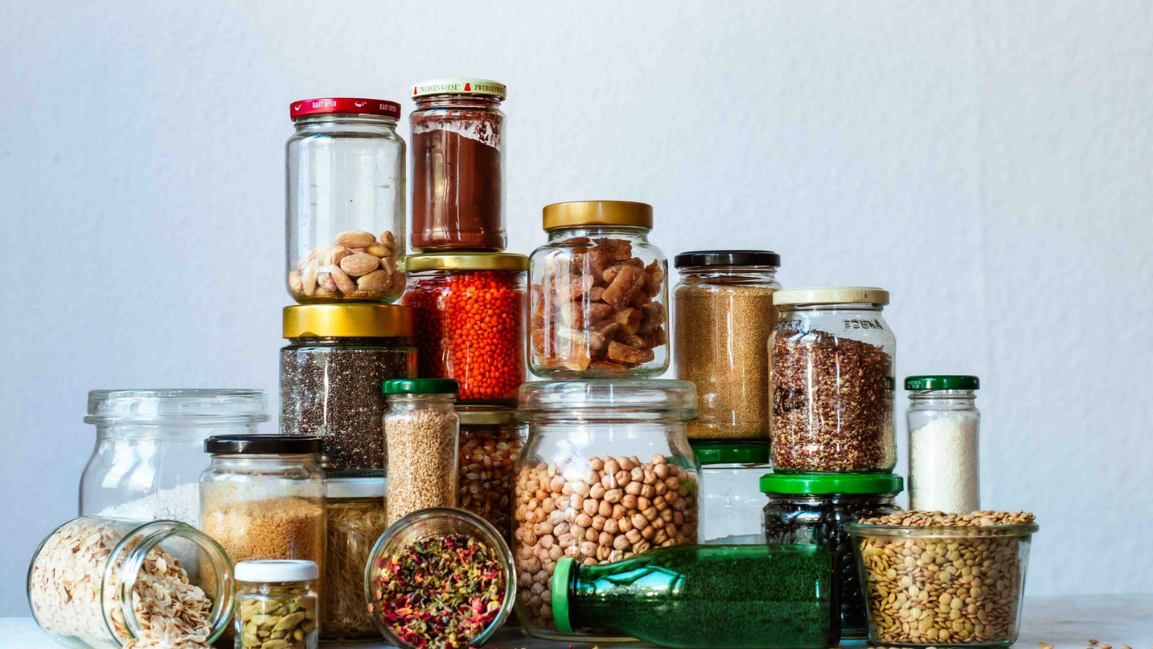
Our tips for beginners, stock up on:
-
Dried and canned legumes (beans, lentils, chickpeas, split peas, etc) to add to salads, tacos, stews, curries or pasta sauces
-
Grains like rice, barley, buckwheat and quinoa for the base for stir-fries, bowls or soups
-
Plant based proteins: tofu, tempeh and seitan are incredible products to build your meals around.
-
Chickpea flour and nutritional yeast are two new ingredients we now use every week.
-
Stock up on some nuts and seeds, flax, chia and hemp seeds are a brilliant source of Omegas and work for breakfast, lunch, dinner and dessert recipes.
-
Simple flavour boosters like miso, soy sauce, garlic and herbs and spices can transform bland ingredients into restaurant quality meals
These staples help keep cooking flexible and reduce food waste, while also making it easier to cook nourishing meals when time is short.
Don't forget your freezer
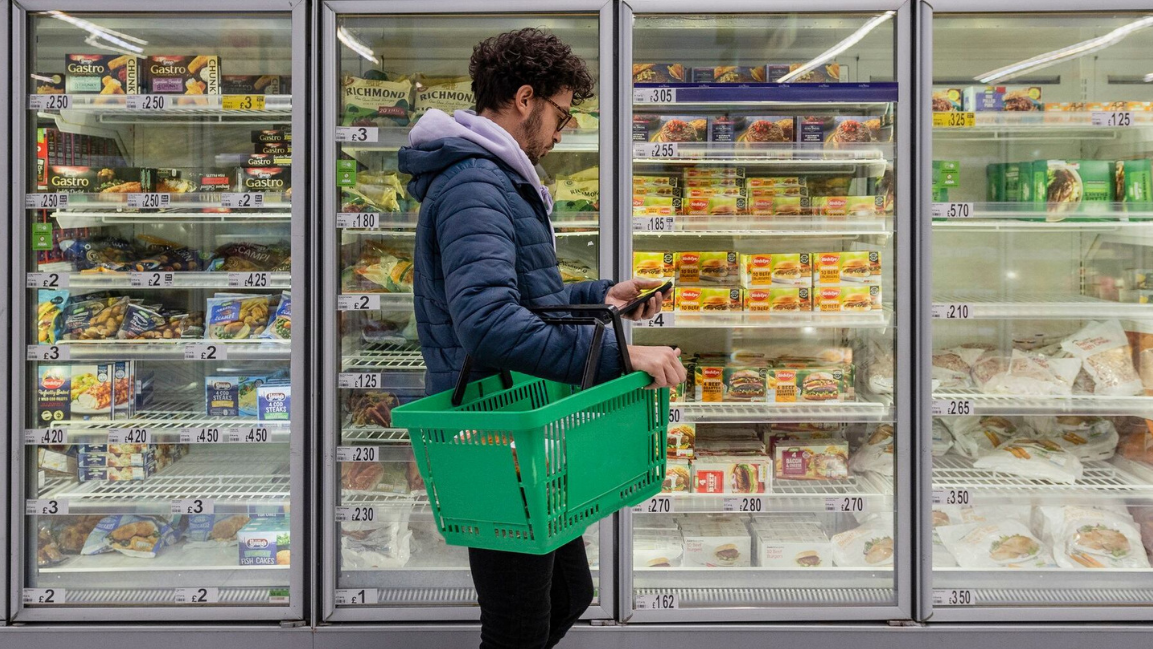
A well-organised freezer can be one of the most helpful tools during No Meat May.
Frozen fruits and vegetables are often picked and frozen at peak ripeness, meaning they're just as nutritious as fresh produce and incredibly convenient.
Having frozen vegetables on hand makes it easy to add colour, fibre and nutrients to meals without worrying about food going to waste.
The freezer is also a great place to keep a few delicious convenience foods, such as veggie burgers, tofu dumplings or plant-based mince, for those nights when cooking from scratch isn't an option.
And if you enjoy meal prepping, freezing portions of soups, curries or lentil dishes can make weeknight dinners effortless.
Eating plant-rich can be budget friendly
Another common misconception about plant-based eating is that it's expensive. In reality, some of the most nutritious plant foods are also some of the most affordable foods available.
Staples like dried beans, lentils, tofu, rice, oats, wholemeal flour, and potatoes provide excellent value for money and can form the base of thousands of different meals.
Planning meals ahead, buying staple ingredients in bulk, and choosing dried pulses over canned varieties can all help stretch your grocery budget further.
Many people find that during No Meat May their grocery bill drops, particularly when meals are built around whole plant foods.
A small pantry shift can have a big environmental impact
One of the big reasons people choose to take part in the No Meat May challenge is the environmental impact of food.
Animal agriculture is responsible for a significant share of global greenhouse gas emissions and uses massive amounts of land and water.
By stocking your kitchen with plant-based staples and cooking more meals from plants, you're helping reduce demand for resource-intensive foods while supporting a more sustainable food system.
Small dietary shifts make a meaningful difference when many people take part together.

Start simple and build from there
Preparing your pantry for No Meat May doesn't need to be complicated.
Make sure you have a few reliable ingredients you enjoy cooking with, and as the month progresses, you might discover new foods and flavours you love.
Once your pantry is stocked with staples, cooking becomes easier and more creative, and the habits formed in May often continue long after the challenge ends.
Ready to get started?
If you're preparing for No Meat May, taking a little time to organise your pantry now can make the whole experience smoother and more enjoyable.
A few new staples, some frozen ingredients and a handful of flavourful seasonings are often all you need to create delicious, nourishing plant-based meals all month long.
If you're looking for inspiration, check out the No Meat May plant-based shopping list and get your kitchen ready for a month of flavour, creativity and culinary masterpieces.





4 Comments