

Prioritise Plant Protein - Start the Shift in 2026
If you grew up thinking protein lives in meat, you’re not alone. For decades, animal products have been marketed (with billion-dollar budgets) as the “protein foods”, so effectively that many people now use the word protein as a polite synonym for meat.
But here’s the truth the marketing doesn’t tell us:
Farmed animals don’t create protein. Like us, they eat protein, meaning amino acids that ultimately originate in plants and microbes. When we eat animals for protein, we’re just getting that nutrition second-hand.

For centuries, across much of the world, most people met the majority of their protein needs from plants, including grains, legumes, and pulses.
Through capitalism and colonisation, and later refrigeration and industrial food systems, animal agriculture has grown into a trillion-dollar industry. It now claims around three-quarters of the world’s farming land and has shaped food environments where animal protein is presented as the norm, our default source of “protein”.
The result? Choosing animal products often feels easier, not because they’re better, but because they’re everywhere.
The issue is that sourcing protein from farmed animals comes at a high cost, to our forests, our oceans, and to the lives of animals and people.
So our challenge to you in 2026 is simple: upgrade the way we think about protein.
You can be strong and healthy, without harming animals or the natural world.
And the science could not be clearer - replacing animal protein with plant protein is linked to better long-term health, greater longevity, and a reduced risk of many chronic diseases.
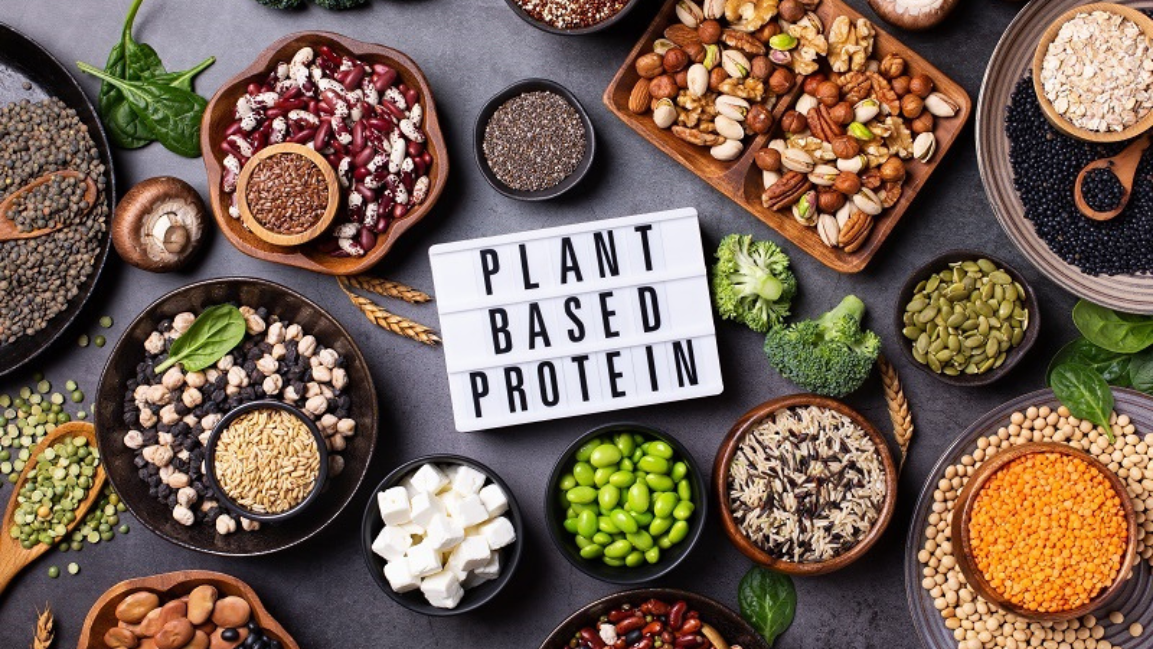
You can easily meet protein needs eating plant-based foods
When people worry about protein, they’re usually asking three things:
1. Will I get enough?
Yes. Getting enough protein is rarely an issue.
In high-income countries, most people already consume more protein than recommended. Eating a variety of plant foods, meals built around legumes, grains, soy foods, nuts, seeds, and vegetables, easily meets daily protein needs.
2. Will it be “complete” (all essential amino acids)?
Yes. The idea of “incomplete protein” is outdated.
Plants contain all essential amino acids. You don’t need to combine foods at every meal. Variety across the day naturally covers requirements (think legumes + grains + nuts + seeds). This has been established in nutrition science for decades.
3. Will it support strength and muscle?
Yes. Plant protein fully supports strength and muscle.
The Academy of Nutrition and Dietetics states that appropriately planned vegetarian and vegan diets are nutritionally adequate for all stages of life, including athletes. With adequate calories and protein, plant-based diets support muscle maintenance and growth just as well.
Bottom line: the evidence is clear. Plants deliver.
Plant sources of protein are better for our health
What credible health authorities say (after reviewing the evidence)
- World Cancer Research Fund recommends prioritising plant foods and limiting red and processed meat to reduce the risk of colorectal and other cancers.
- American Heart Association encourages adults to get most of their protein from plant sources such as legumes and nuts.
- Harvard T.H. Chan School of Public Health reports that a higher ratio of plant to animal protein is associated with a lower risk of cardiovascular and coronary heart disease, largely driven by replacing red and processed meat with plant proteins.
- Heart Foundation notes that plant proteins deliver protein alongside fibre and protective nutrients, without the saturated fat that commonly accompanies many animal proteins.
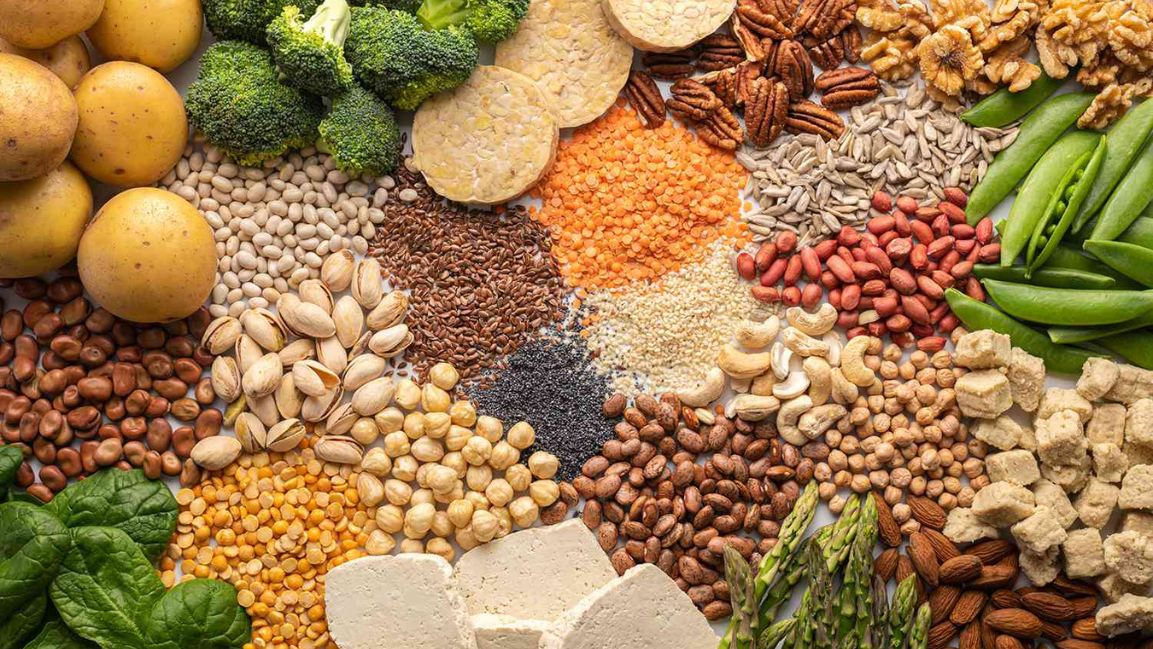
So, which plant sources of protein are best?
While all plants contain protein, some are far more protein-dense than others. A simple way to think about this is “primary” and “secondary” plant proteins, a framework we love from Leah (@Plantstrong_Dietitian).
Primary plant proteins
(Protein-dense main characters, typically >12 g protein per 100 calories)
Build your main meals around these:
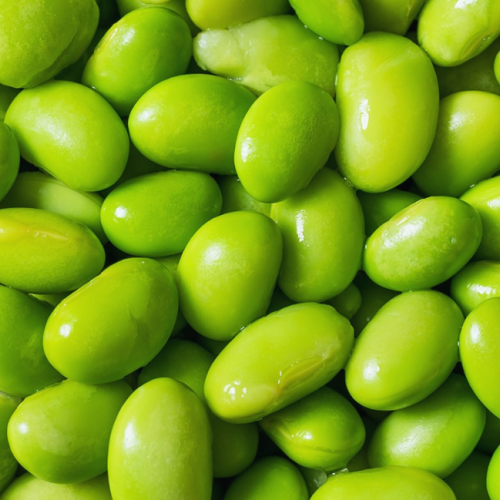
- Hard soy foods (more concentrated protein): firm/hard tofu, tempeh, textured vegetable protein (TVP), edamame
- Seitan (wheat gluten)
- Some meat alternatives, choose low-sodium options made with whole-food ingredients
- Protein powders (pea or soy), useful for training, higher protein needs, or convenience
Secondary plant proteins
(The supporting cast, they still count, and they add up fast)
They’re less protein-dense per calorie, but they contribute significantly to daily protein while bringing fibre, micronutrients, and variety:
- Legumes: lentils, chickpeas, beans (kidney, black, cannellini, etc.), split peas, fava beans, green peas
- Soft soy foods (more diluted forms): soft tofu, soy milk, high-protein soy yoghurts
- Whole grains: oats, quinoa, wholemeal bread, brown rice
- Nuts & seeds: hemp, chia, flax, pumpkin seeds, peanut butter, almond butter, walnuts, pecans, brazil nuts etc.
How to combine proteins?
Aim to include at least one primary plant protein with each main meal, then let secondary sources fill in the rest across the day.
This approach helps ensure you:
- meet protein needs with ease
- get plenty of fibre and healthy fats
- cover essential amino acids naturally, and
- keep meals varied, satisfying, and delicious.
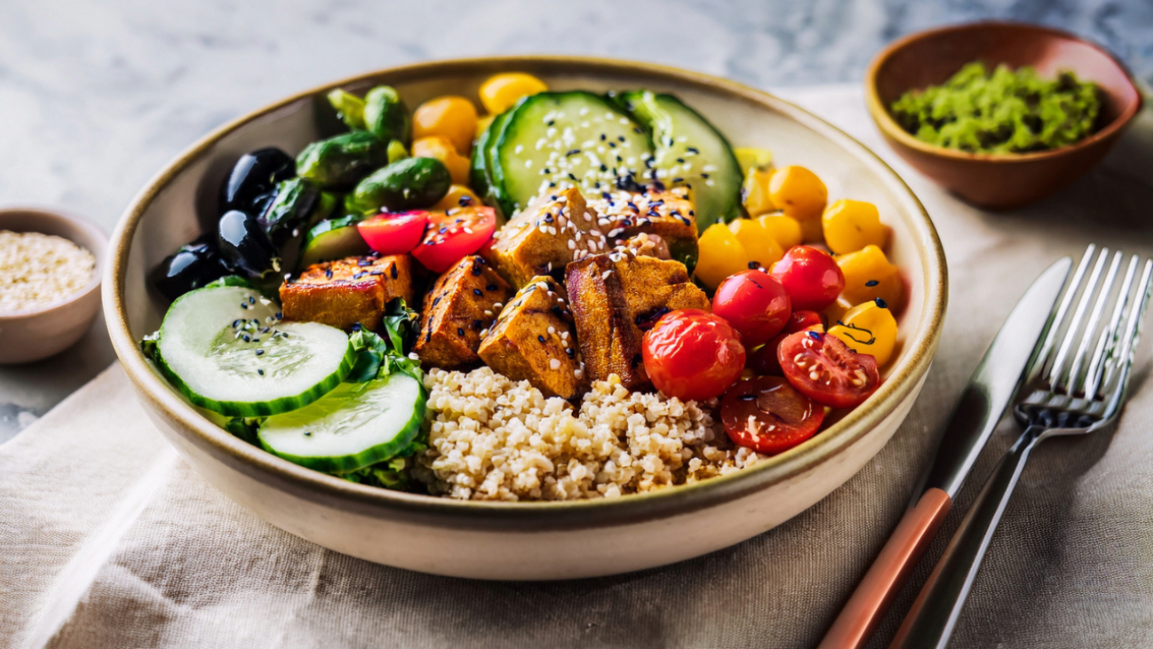
Buddha Bowl example (from Leah)
- Primary protein: Tempeh (20 g protein)
- Secondary proteins: Quinoa (8 g), chickpeas (6 g), tahini (2 g), nutritional yeast (4 g)
TOTAL: 40 g protein!
How much protein does the average person need?
A widely used baseline is the RDA: 0.8 g per kg of body weight per day for healthy adults with minimal physical activity.
Examples
- 60 kg person: ~48 g/day
- 70 kg person: ~56 g/day
- 80 kg person: ~64 g/day
Important note: the RDA is a minimum target for most healthy adults. Many people feel better with a bit more, especially as we age or train more often. (But you don’t need animal products to do that.)
What does this look like in a day? (average needs, say 70g)
~70 g protein | ~1,800–2,100 kcal (flexible, not restrictive)
This suits a typical adult who is moderately active and not deliberately bulking.
Breakfast (~18 g protein | ~400 kcal)
- Oats (½ cup dry) cooked with soy milk (1 cup), Chia seeds (1 tbsp) + berries (Oats ~6 g, soy milk ~8 g, chia ~4 g)
Lunch (~22 g protein | ~500 kcal)
- Lentil + quinoa salad: Cooked lentils (1 cup), Cooked quinoa (¾ cup), Veg + olive oil dressing
(Lentils ~18 g, quinoa ~4 g)
Snack (~10 g protein | ~250 kcal)
- Hummus (¼ cup) + wholegrain crackers or veg (Chickpeas ~7 g, crackers ~3 g)
Dinner (~20 g protein | ~550 kcal)
- Tofu stir-fry: Firm tofu (150 g), Mixed veg + rice (¾ cup cooked) (Tofu ~18 g, rice + veg ~2 g)
⭐ Daily total: ~70 g protein
≈ 1,700–1,900 kcal (easily adjusted up or down with portions)
This more than meets protein needs for most adults, without any “protein obsession”.
Note: If calories are tight, prioritise plant protein anchors first (tofu, lentils, tempeh, soy milk), then fill the rest of the plate with vegetables and whole foods.

Protein for muscle-building:
For people training regularly (especially resistance training), the International Society of Sports Nutrition notes that ~1.4–2.0 g/kg/day is sufficient for most exercising individuals aiming to build/maintain muscle.
Examples (muscle-building goals)
- 70 kg person: ~98–140 g/day
- 80 kg person: ~112–160 g/day
You don’t need to live at the top end. Many people do great around ~1.6 g/kg as a practical target.
What does this look like in a day? (muscle-building goals, say 150g)
~150 g protein | ~2,400–2,800 kcal (training-supportive)
This suits someone lifting regularly and actively aiming to gain/build muscle.
Breakfast (~32 g protein | ~550 kcal)
- Tofu scramble (200 g tofu), 2 slices wholegrain toast (Tofu ~24 g, bread ~8 g)
Post-workout / morning snack (~30 g protein | ~350 kcal)
Smoothie: Soy milk (1½ cups), Plant protein powder (1 scoop), Banana (Protein powder ~20–25 g, soy milk ~10 g)
Lunch (~35 g protein | ~600 kcal)
- Tempeh or seitan wrap: Tempeh (150 g) or seitan (120 g), Hummus + salad + wrap (Tempeh ~28 g / seitan ~30 g, wrap + hummus ~5–7 g)
Snack (~18 g protein | ~300 kcal)
- Edamame (1 cup shelled), or
- Soy yoghurt (high-protein style) + fruit + seeds
(Edamame ~18 g)
Dinner (~35 g protein | ~650 kcal)
Lentil pasta (100 g dry), Tomato-veg sauce + side salad (Lentil pasta ~25 g, sauce + veg ~10 g)
⭐ Daily total:
~150 g protein
~2,400–2,700 kcal
No extreme portions, no animal products, and no ultra-processed reliance. Just deliberate whole food plant anchors.
Two simple pro moves:
1. Add one protein anchor per meal (hard tofu, tempeh, legumes, seitan).
2. If training hard, use a protein smoothie as the easiest “bridge”.

“But can you be seriously strong without animal products?”
Yes, and this isn’t hypothetical.
Elite strength and performance athletes have been doing it for decades:
Torre Washington, a long-time vegan bodybuilder, has competed at high levels of professional bodybuilding, including Mr Olympia.
Nimai Delgado (pictured above), vegetarian from birth, Nimai is a professional bodybuilder and leading figure in plant-based fitness.
Serena Williams, one of the greatest athletes of all time, has followed a predominantly plant-based diet during her career, pairing explosive power, endurance, and longevity at the very top of elite sport.
Muscle is built from training, total protein, sufficient calories, and recovery. All of those inputs are fully achievable with plants.
And when strength is aligned with compassion? That’s a different kind of power. It’s the kind that inspires other people to make positive changes, too.
Why the “protein = meat” idea is everywhere (it’s not an accident)
The association is heavily reinforced by marketing and product placement.
In Australia, for example, industry promotion has included high-profile integrations like Australian Beef sponsorship on MasterChef, which industry reporting itself described as effective at shifting viewer favourability.
More broadly, watchdog and advocacy reporting has argued that major meat and dairy companies spend heavily on marketing narratives (including “green” messaging), sometimes outspending climate solutions.
The result is a culture where:
- menus are built around “meat as protein”
- supermarket shelves highlight animal foods as necessary protein
- people feel anxious if a meal doesn’t include meat
But once you see it, you can’t unsee it.
They are not just selling “protein”. They are selling us the idea that eating animals is essential.
The 2026 invitation
If you take one thing from this article, let it be this:
Protein is not an animal product. Protein is a nutrient made from plants.
And plants deliver it beautifully, with gut-healthy fibre, cancer-fighting colour, and heart-health perks. Plus, you get it without the damaging saturated fat and cholesterol that so often come packaged with animal foods.
So in 2026, let’s lean into:
- beans that build strength
- tofu that fuels performance
- lentils that protect your heart
- and meals that feel abundant, nourishing, and aligned with our values.
Because real strength isn’t just what we build in the gym. It’s built on the choices we make, every day. Start with No Meat May.





2 Comments
More power to NO MEAT MAY!