

Level up your plate - the simple habit linked to longer life
What if one small shift in how you eat could support better digestion, stronger immunity, and improve your long-term health and longevity - without counting calories, cutting food groups, or being “perfect”?
Enter one of the most powerful (and refreshingly simple) ideas in nutrition:
Aim for 30 or more different plant foods each week!
Not 30 serves.
Not 30 salads.
Just 30 different plants.
And yes, vegetables, fruits, legumes, whole grains, nuts, seeds, herbs, spices - even tea and coffee - all count.
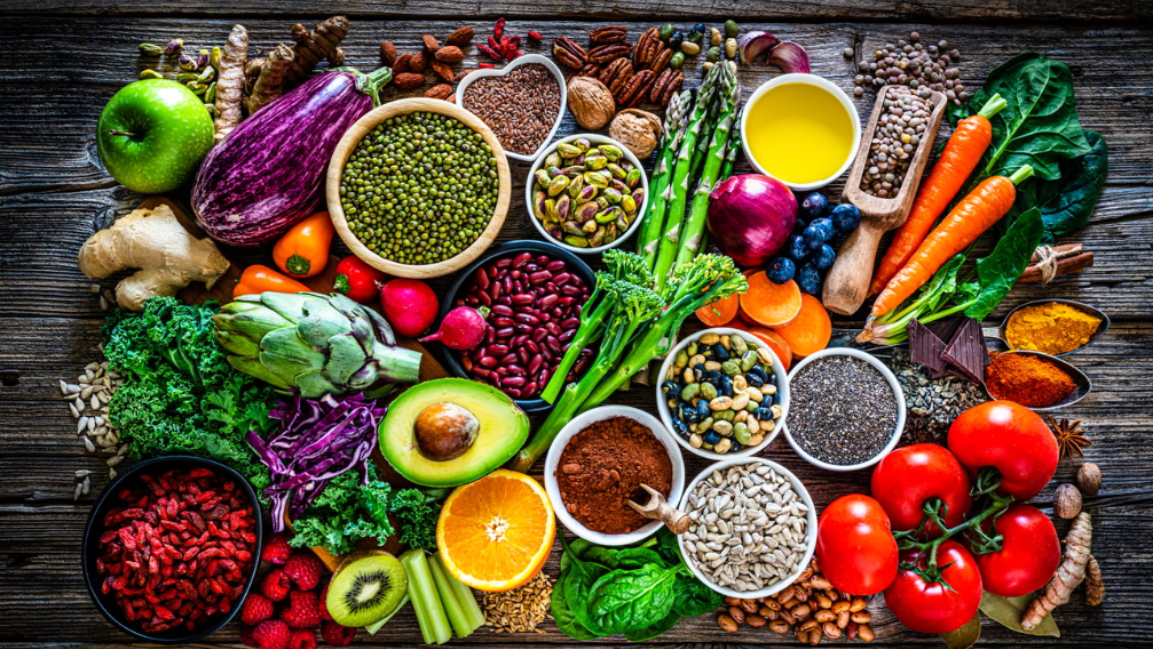
Where does 30 plants a week come from?
The idea gained widespread attention through research linked to the American Gut Project, one of the largest studies of the human gut microbiome.
Researchers found that people who ate 30 or more different plant foods per week had a far more diverse gut microbiome than those eating fewer than 10.
Why does that matter?
A diverse gut microbiome is associated with:
-
Better digestion
-
Lower inflammation
-
Stronger immune function
-
Improved metabolic health
-
Reduced risk of several chronic diseases
In simple terms: different plants feed different gut microbes - and diversity is the key.
The best part? It's easier than it sounds
You don’t need fancy ingredients or complicated recipes. You don’t need to eat more food. You just need to level up what you’re already eating.
Let’s look at some everyday examples 👇
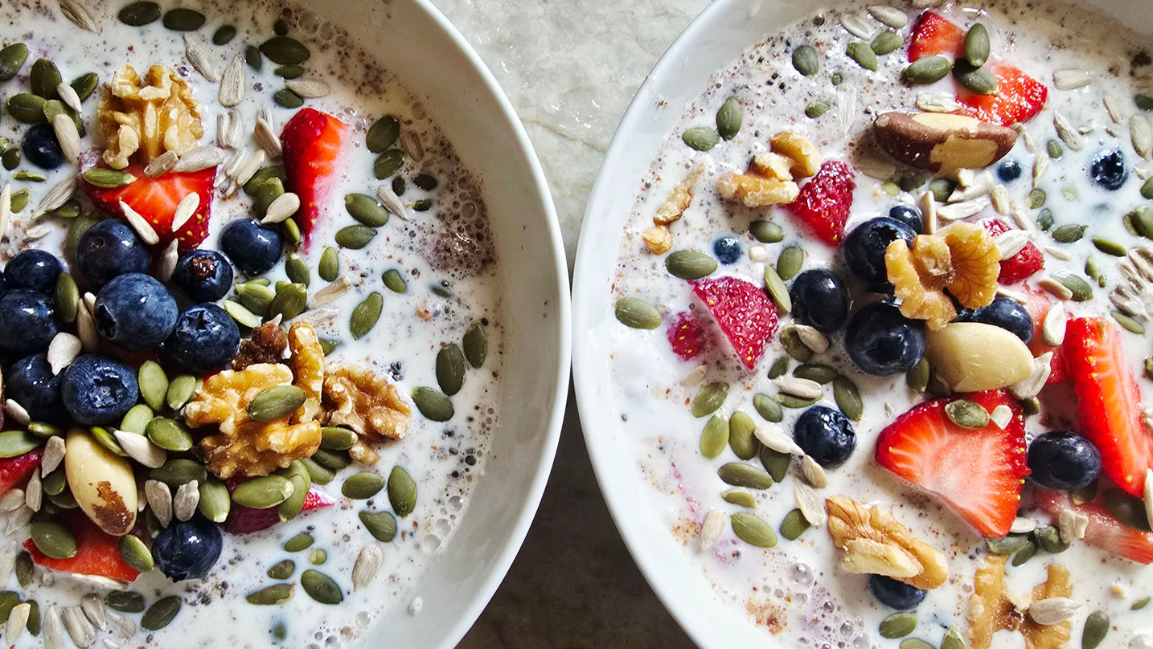
Level-up your breakfast
A basic bowl of oats or cereal can quietly become a diversity powerhouse.
Start with:
-
Oats
-
Soy, almond or oat milk
Then level it up with simple toppings:
-
Ground flaxseed (omega-3 fats)
-
Chia seeds
-
Hemp seeds (complete plant protein)
-
Walnuts (heart-healthy fats)
-
1–2 Brazil nuts (selenium superstars)
-
Mixed berries (antioxidants galore)
-
Soy yoghurt or coconut kefir (fermented goodness)
-
Pumpkin seeds and sunflower seeds
That’s 10–12 different plants in a single breakfast — no extra cooking required.
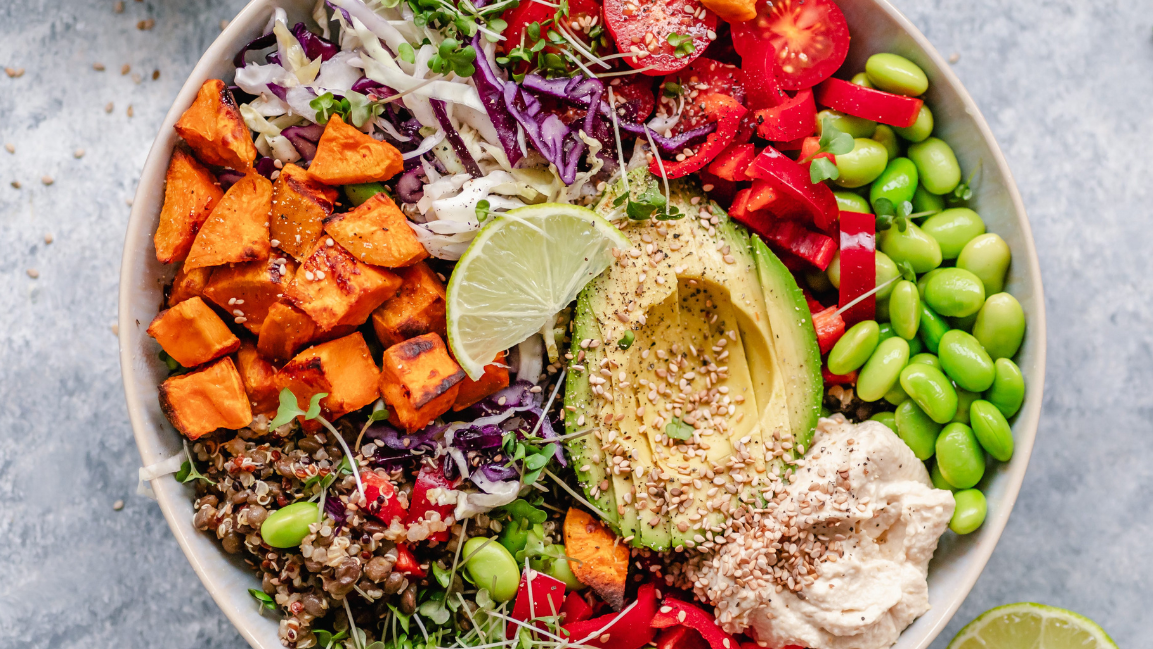
Level-up your Buddha bowl or salad
Bowl meals are one of the easiest ways to boost plant variety.
Start with a base:
- Brown rice, quinoa or farro… or all three
-
Chickpeas, lentils and/or tofu for your protein
Add a mix of colourful veg:
-
Spinach or rocket
-
Red cabbage
-
Carrot
-
Cucumber
-
Roasted sweet potato
-
Broccoli and/or cauliflower
Finish with flavour boosters (these count too):
-
Tahini or hummus
-
Lemon juice
-
Garlic
-
Fresh herbs (parsley, coriander, basil)
-
Mixed seeds or dukkah
Each colour, herb and topping adds another plant - and another win for your gut.

Level-up a simple stir fry
Stir-fries are plant-diversity gold.
Start with:
-
Tofu or tempeh
-
Onion, garlic, ginger and chilli
Add a veg rainbow:
- Capsicum
-
Snow peas
-
Mushrooms
-
Bok choy
-
Red onion
-
Corn
-
Bean sprouts
-
Whatever you have in the fridge
Finish with:
-
Sesame seeds
-
Peanuts
-
Spring onions
-
Fresh herbs
-
Tamari or miso
One pan. Big flavour. Up to 10 different plants without trying.
Small additions that make a big difference
Some of the easiest plants to “sneak in” during the week:
-
Herbs and spices (cumin, turmeric, paprika, cinnamon)
-
Mixed seeds sprinkled on meals
-
Fermented foods (kimchi, sauerkraut, miso, kefir)
-
Frozen berries and vegetables
-
Rotating legumes (lentils, black beans, edamame, butter beans)
You don’t need to overhaul your diet — just stock your pantry with lots of healthy whole food options and add a little variety where you can.
Do you need a checklist?
If you enjoy structure, tools like Dr Michael Greger’s Daily Dozen or Emma Strutts
Plant-based High 5 can be helpful ways to make sure you’re covering key food groups. Find the best method that works for you.
But remember:
-
You don’t need to hit 30 every single week
-
There is no perfect
-
Every extra plant counts
The No Meat May take-away
Eating 30+ plants a week isn’t about restriction - it’s about abundance.
More colour.
More flavour.
More nourishment.
So instead of asking, “What should I cut out?” Try asking: “How can I level up this plate?”
Your gut, and your future self, will thank you 💚







2 Comments